The Problem with Traditional Drying Methods
Drying is a crucial step in preserving food, herbs, and agricultural products, but traditional drying methods come with several challenges. Open-air drying, commonly practiced in many regions, often leads to significant losses in quality, hygiene, and efficiency. Here are some of the key issues with traditional drying:
1. Weather Dependency
One of the biggest drawbacks of open drying is its reliance on favorable weather conditions. During monsoon or humid seasons, drying becomes highly unreliable, leading to delays and increased spoilage. Farmers and producers face uncertainty, as prolonged drying times can negatively affect production schedules and supply chains.
2. Hygiene Issues
Traditional drying exposes food to external contaminants such as dust, dirt, and airborne pollutants. Additionally, open drying areas attract insects, birds, and animals, further compromising hygiene. The presence of mold and fungus due to improper drying conditions poses serious health risks and reduces product safety.
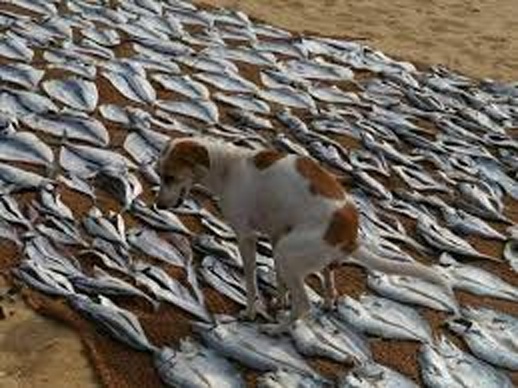
Dog peed during drying food process due to open area.
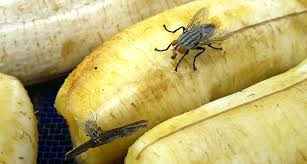
Flies on the food.
3. Loss of Quality
When food products are dried without proper control, they often lose their natural color, taste, and nutritional value. Excessive exposure to sunlight or moisture fluctuations can degrade essential vitamins, minerals, and flavors, making the final product less appealing and nutritious.
4. High Spoilage Rates
Due to inadequate drying techniques, post-harvest losses are a major concern. A significant portion of produce gets wasted due to microbial growth, improper moisture removal, and contamination. This not only affects farmers’ incomes but also contributes to food insecurity and economic losses.